

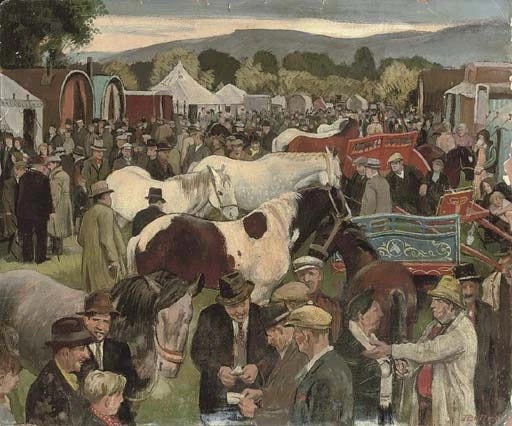
Some traditions last for a few generations.
Others become part of history.
This year, Americans celebrated 250 years of independence. Across the Atlantic, Appleby Horse Fair celebrated 250 years of horses, horsemanship, and heritage.
Established in 1775, the fair actually predates the United States by a year and has become one of the world’s oldest and most celebrated equestrian gatherings.
Each June, the quiet market town of Appleby in Cumbria, England is transformed. Tens of thousands of visitors gather alongside Romani and Irish Traveller families for a celebration unlike any other in the equestrian world.
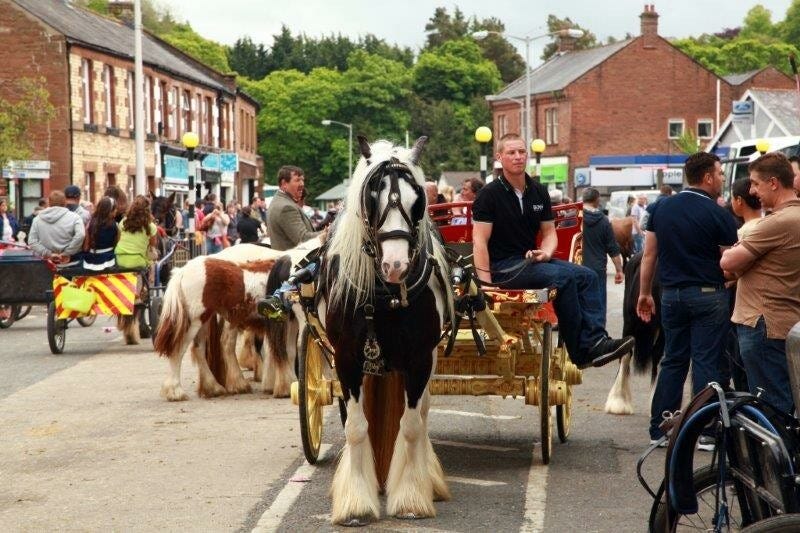
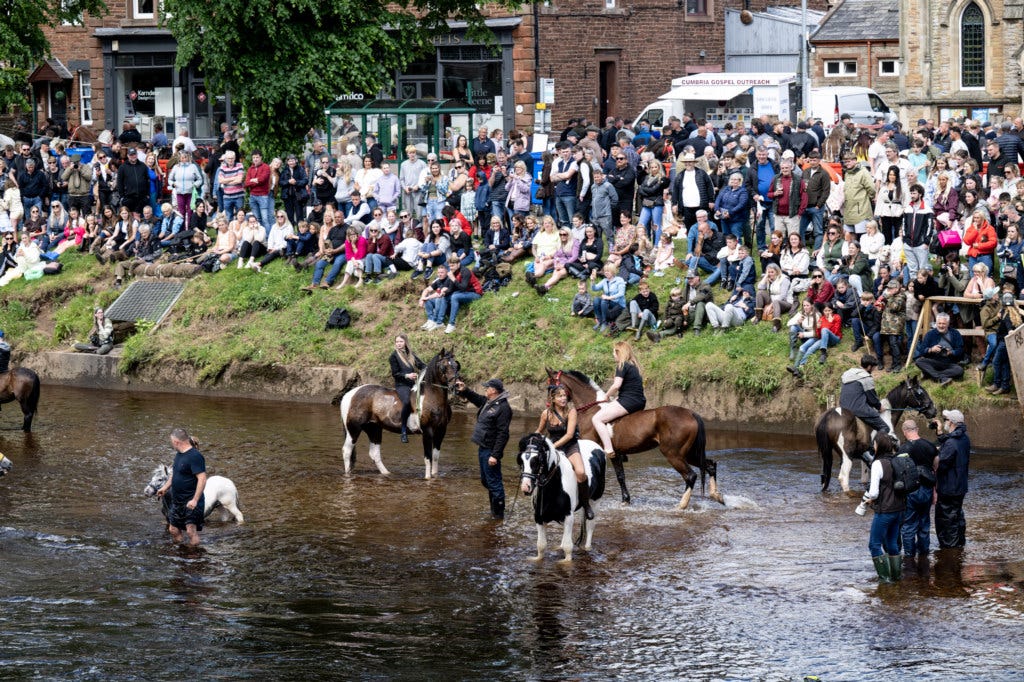
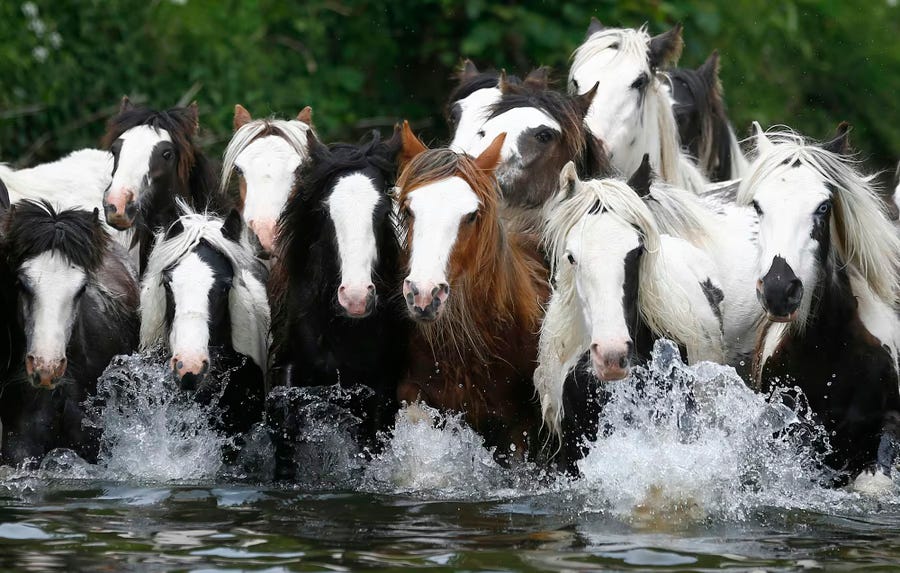
One of the fair’s most recognizable traditions takes place along the banks of the River Eden. Throughout the week, horses are led into the shallow river, where they are carefully washed before making their way up the steep slope of Flashing Lane. There, buyers, breeders, and spectators gather to admire the horses as they trot uphill, allowing their movement, conformation, and temperament to be seen at their best.
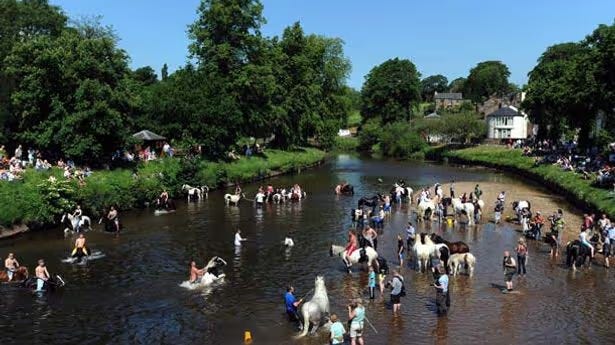
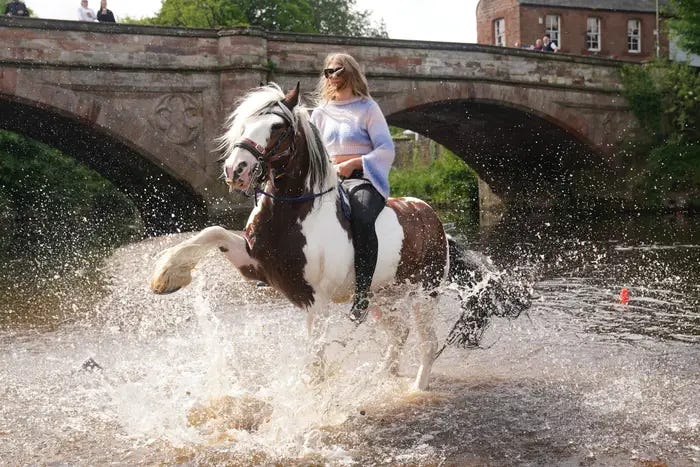
While the washing helps clean and cool the horses, it has also become one of the fair’s most iconic and photographed traditions.
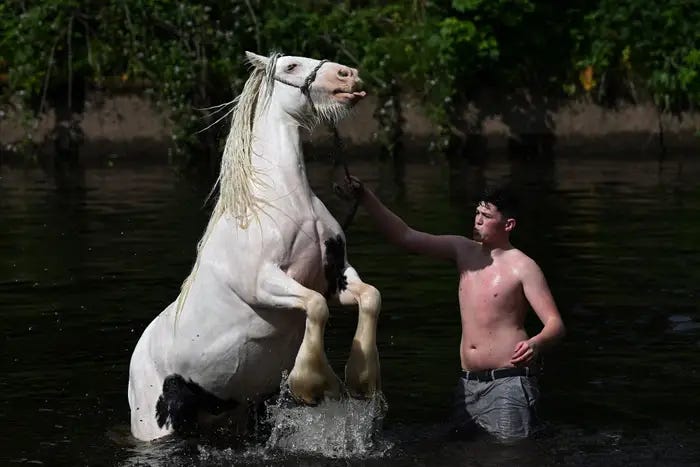
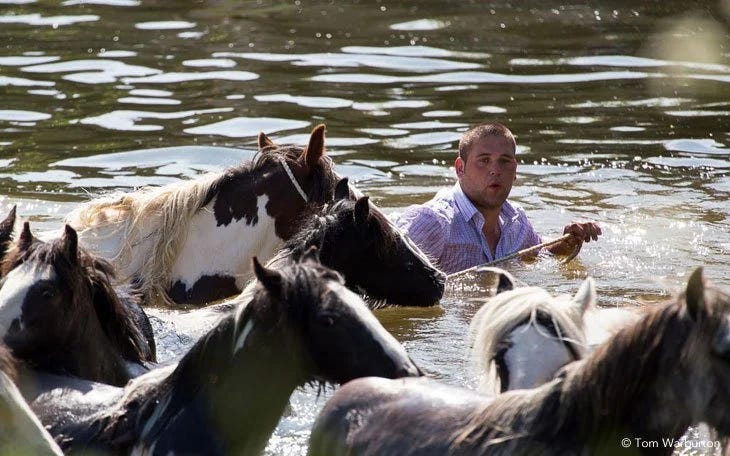
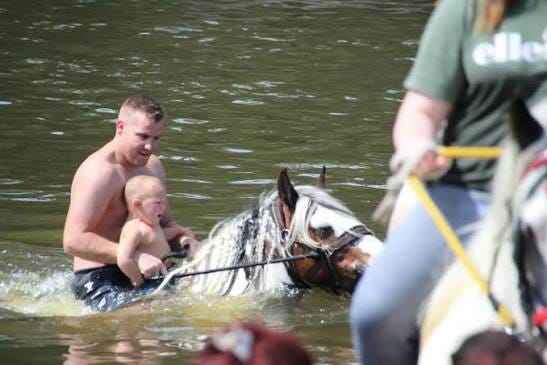
If you've ever tried to convince a horse that bath time is a wonderful idea, you'll appreciate that not every Appleby participant enters the River Eden with equal enthusiasm. Fortunately for photographers, those reluctant moments often become some of the fair's most memorable images.
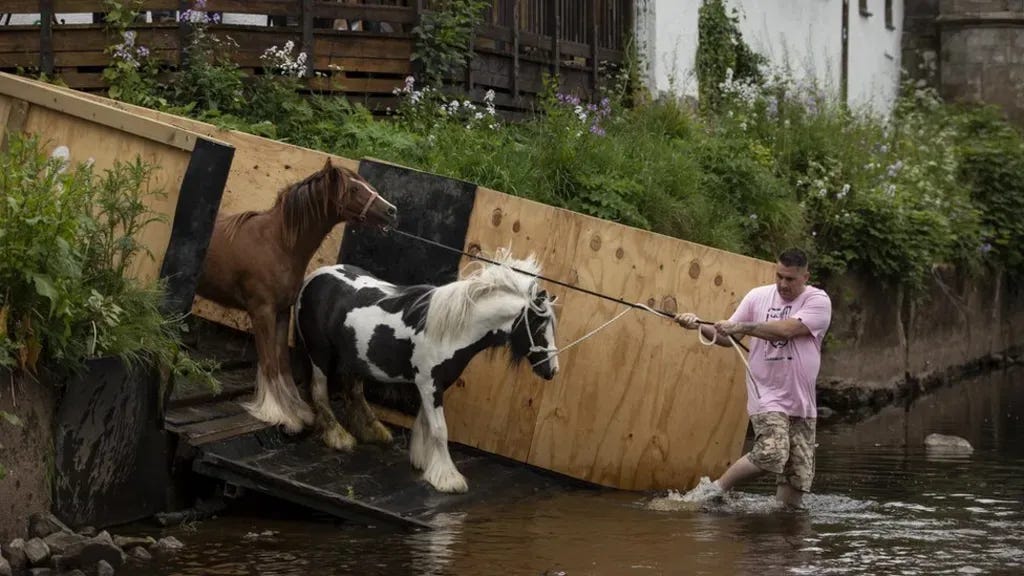
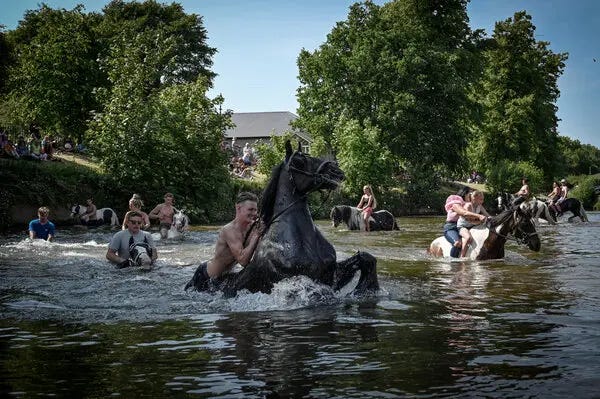
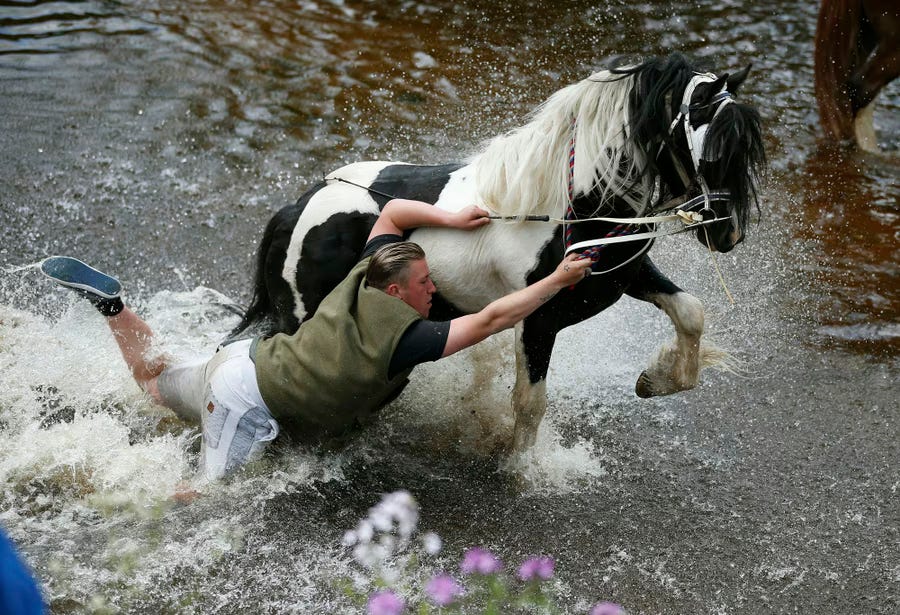
Imagine the sound of hooves on cobblestone streets, the laughter of families gathered around beautifully painted caravans or vardos, the splash of horses entering the River Eden, and the rhythmic trot of magnificent feathered cobs climbing Flashing Lane. For a few days each June, Appleby becomes more than a market town. It becomes a celebration of horses, heritage, and a way of life that has endured for centuries.
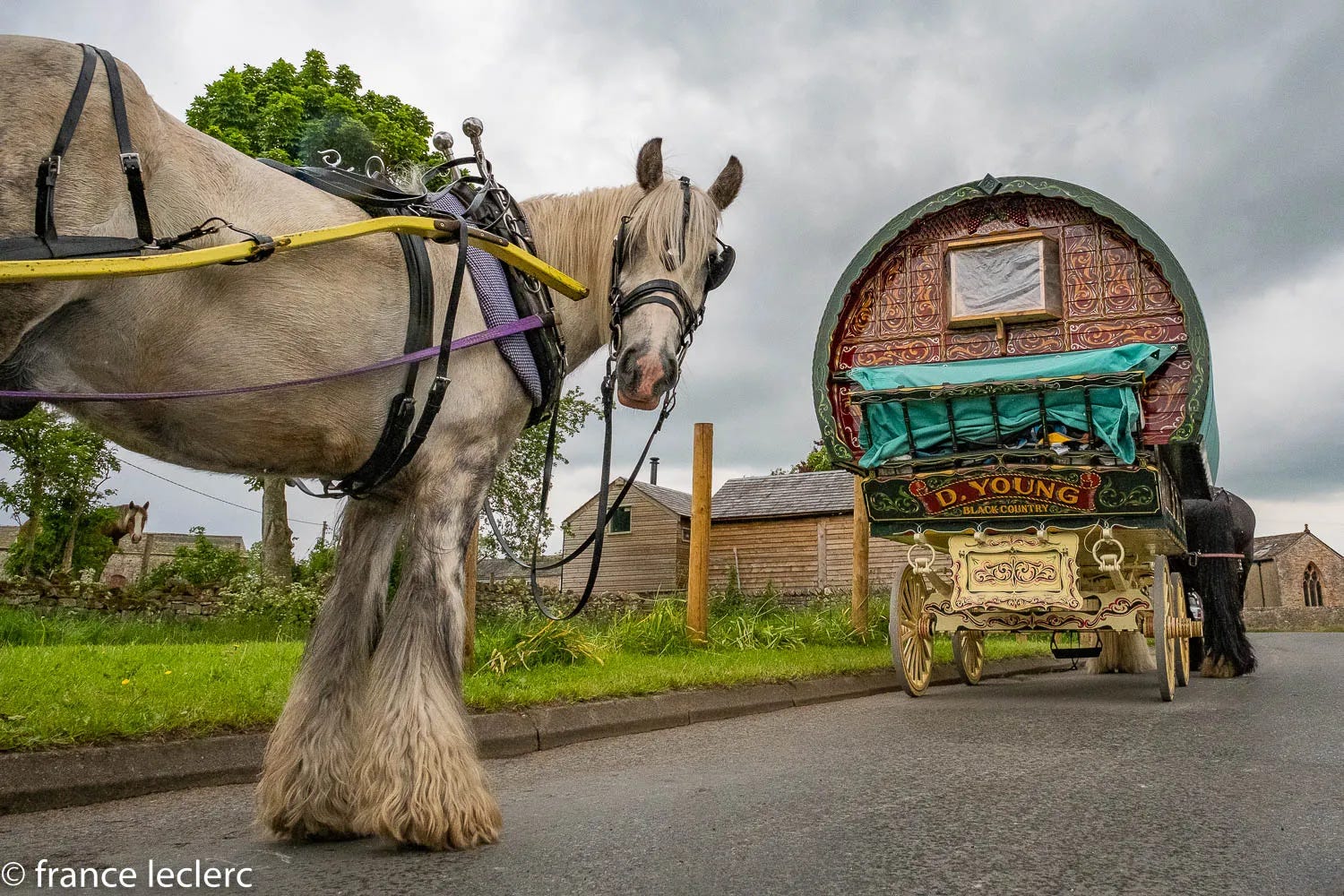
For many horse lovers, Appleby is best known for the striking images that emerge each June. Horses splashing through the River Eden, brightly painted horse drawn caravans lining the lanes, and beautifully turned out cobs trotting proudly before admiring crowds. It is a photographer’s dream and a horse lover’s paradise. But those images tell only part of the story.
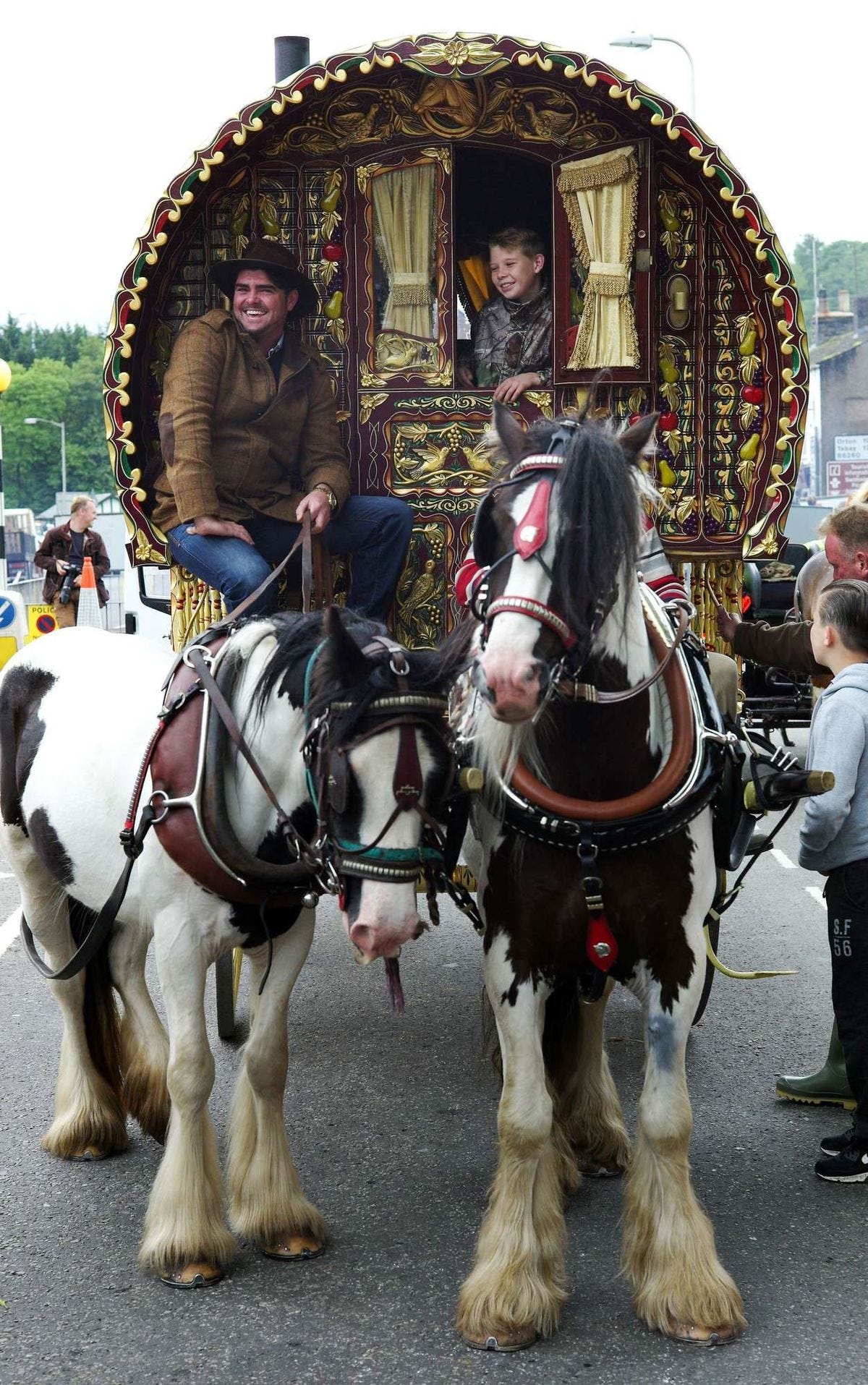
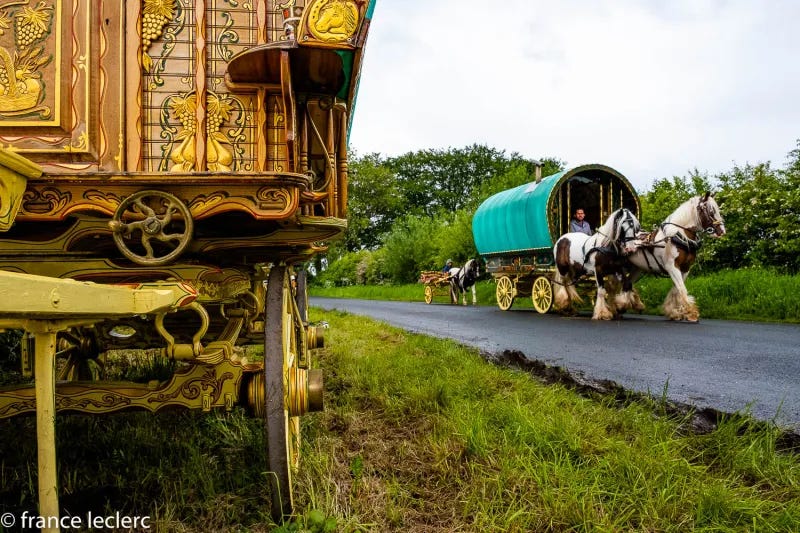
The Appleby Horse Fair is far more than a spectacle. It’s a vibrant celebration of culture and community. Traditional horse drawn vardos line the fairgrounds, craftsmen display generations of skill, musicians fill the streets, and families reunite around a shared love of horses and heritage. It is a place where old traditions continue to thrive in a rapidly changing world.
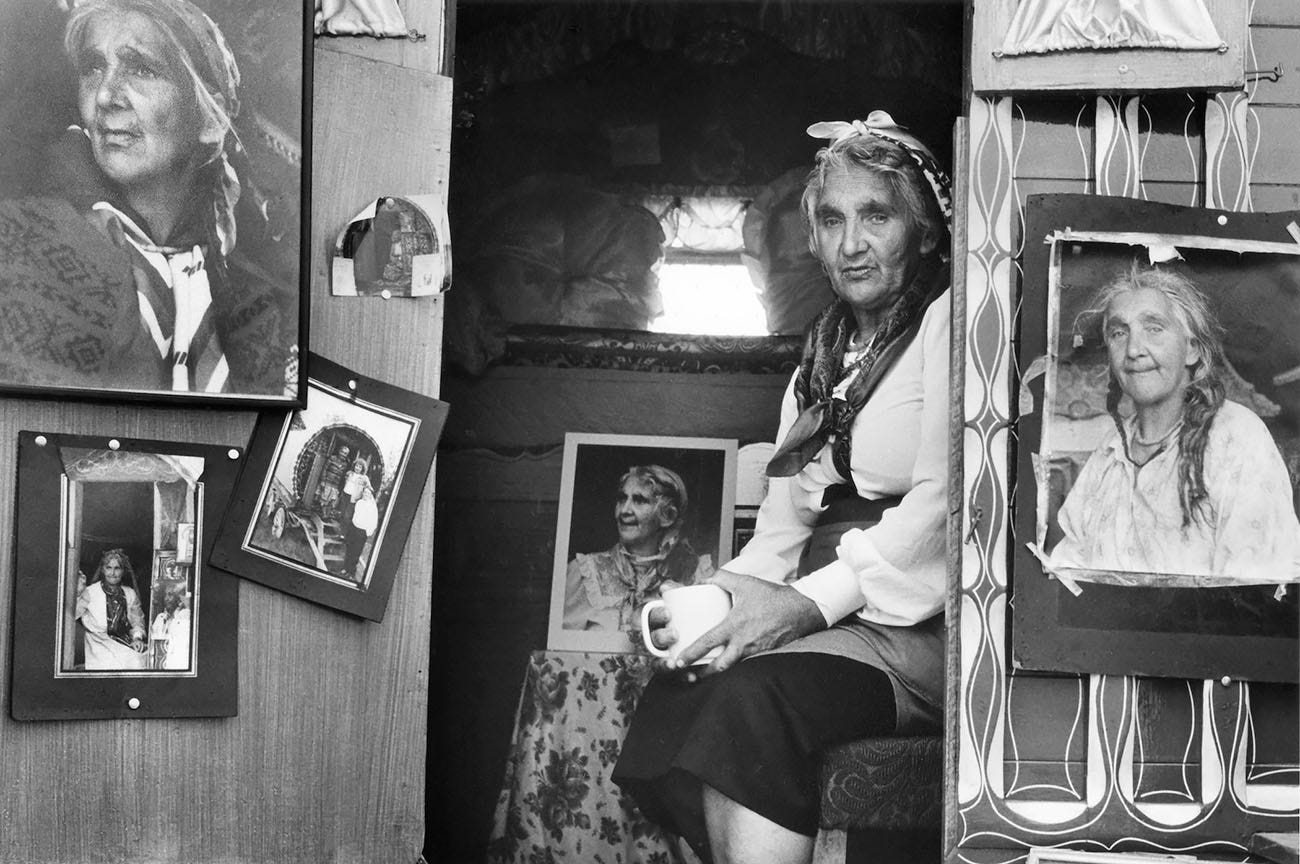
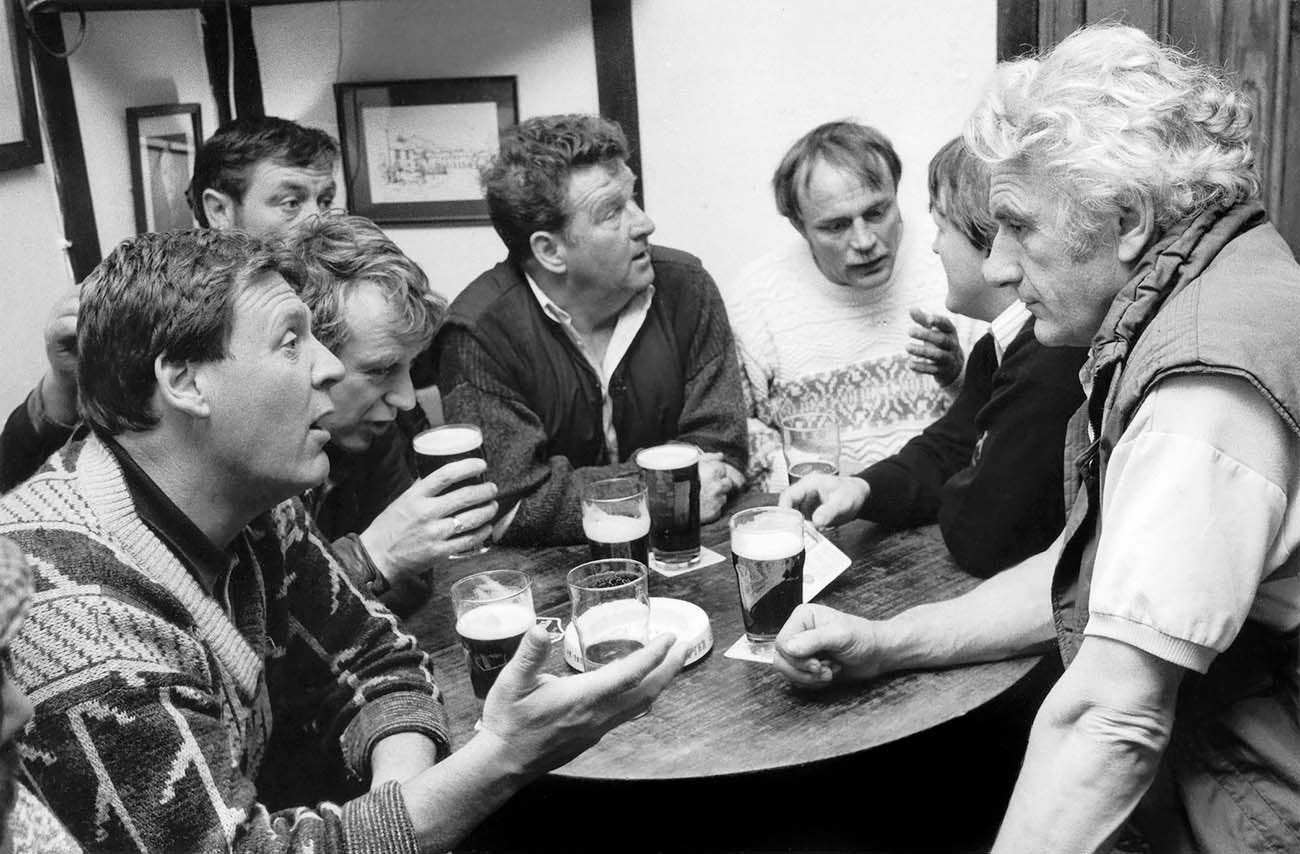
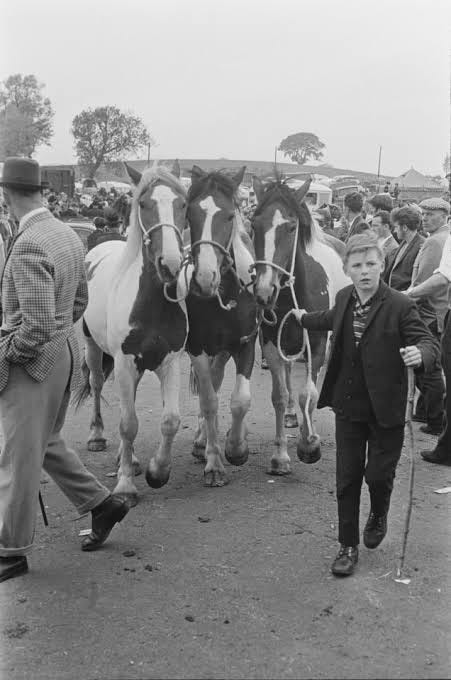
For generations, it has been an important annual gathering for Britain’s Romani and Irish Traveller communities. Families travel from across the United Kingdom to reunite, trade horses, celebrate their heritage, and continue traditions that have been passed from one generation to the next. Long before social media and today’s horse competitions, Appleby was a place where horsemen gathered to admire exceptional animals, exchange knowledge, and do business.
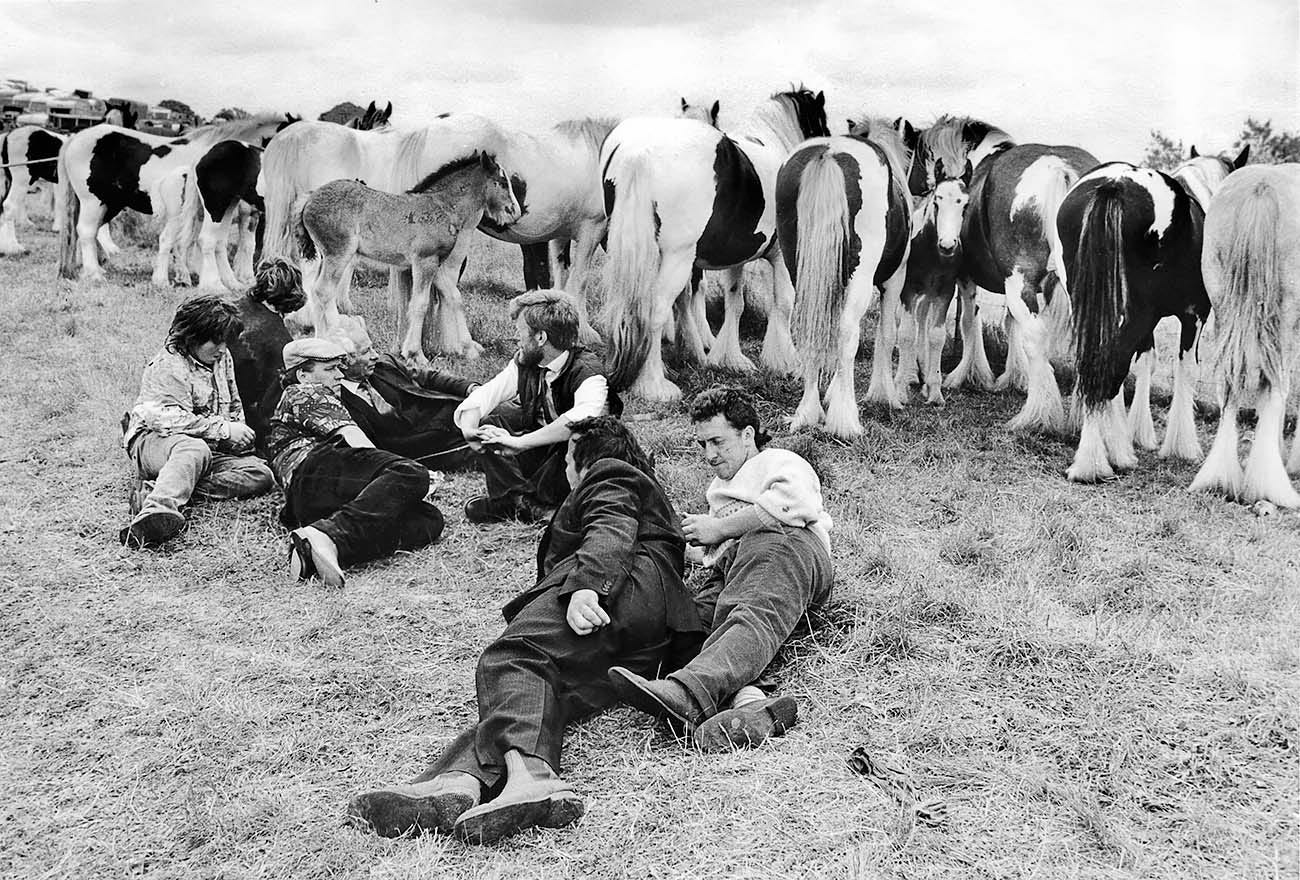
At the center of it all are the horses.
The powerful, feathered cobs developed by Traveller families were bred with purpose. They needed enough strength to pull beautifully crafted vardos while possessing the calm temperament to live alongside children and family life. These were working horses, trusted companions, and family horses all in one. Over generations, breeders selected for kindness, intelligence, stamina, and beauty, creating horses with flowing manes, abundant feather, and willing dispositions that would eventually become admired around the world.
Today, we know these remarkable horses as the Gypsy Vanner, though their story began centuries earlier in the fields and fairs of Britain.
Although the breed itself would not receive formal recognition until centuries later, its foundations were laid through generations of thoughtful horsemanship and careful breeding by families whose knowledge was passed down not through textbooks, but through experience.
Perhaps that is what makes Appleby so special.
It is not simply a horse fair.
It is a living piece of equestrian history.
This year’s 250th celebration serves as a reminder that while the horse world is constantly evolving, some traditions remain wonderfully unchanged. Horses are still washed in the River Eden before being shown along Flashing Lane. Families still gather. Stories are still shared. Children still grow up surrounded by horses, just as generations before them did.
For those of us who admire the Gypsy Vanner, Appleby offers something even more meaningful than beautiful photographs. It offers a glimpse into the culture that shaped one of the world’s most beloved breeds and reminds us that every horse has a history long before it reaches our own barn.
For 250 years, Appleby Horse Fair has celebrated not only extraordinary horses, but the people, traditions, and horsemanship that shaped them.
Every Gypsy Vanner carries a little piece of that history.
And next week, we’ll follow that history across the Atlantic to Ocala, Florida, where one remarkable farm helped introduce these extraordinary horses to North America and preserve their legacy for generations to come.
-The Barngoddess